
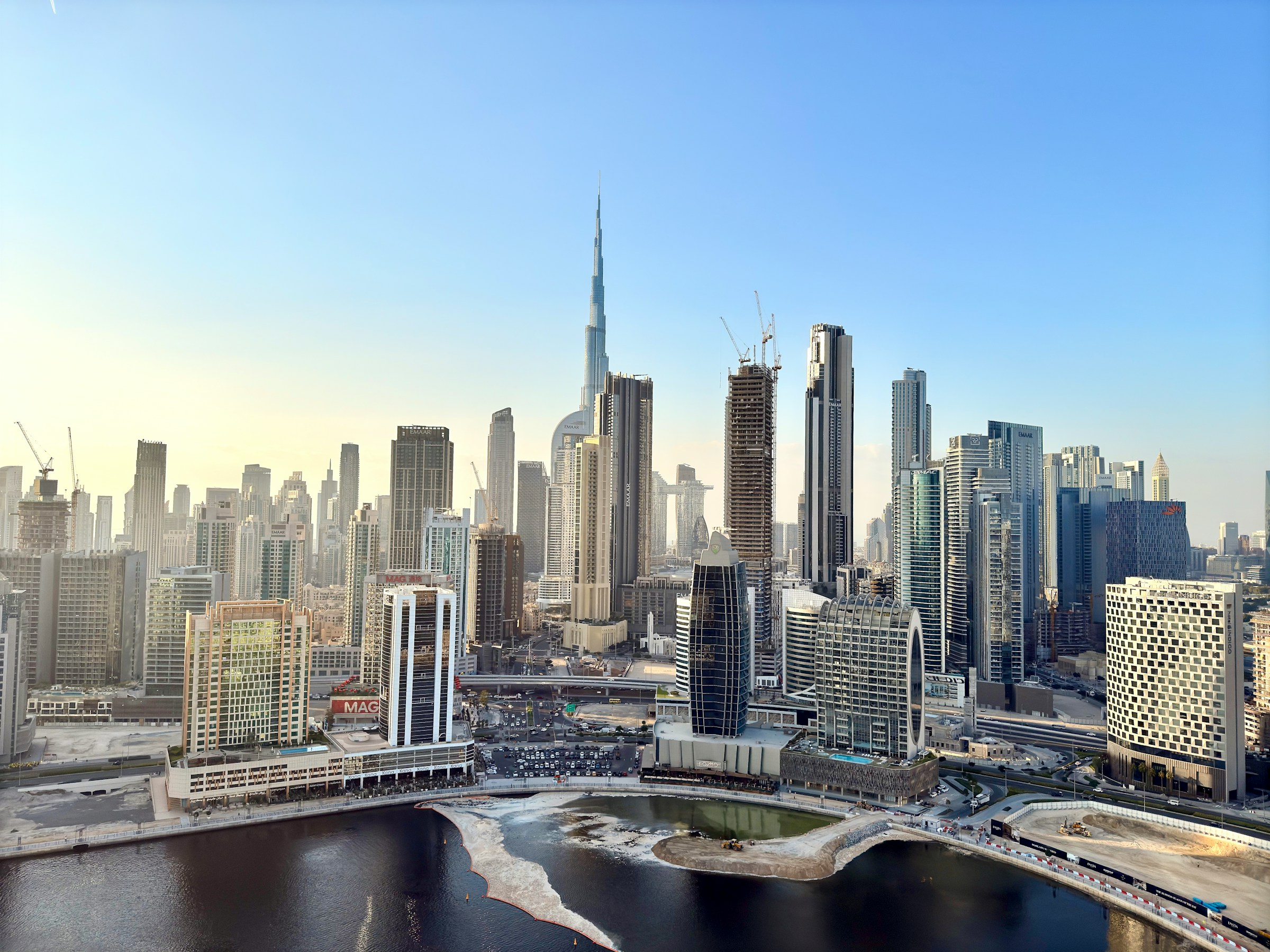

Things To Do in Dubai 2026: A First-Timer’s Guide
Lead
You’re going to Dubai for the first time, probably for four to seven days, probably in 2026, and you’ve already done a lap of Reddit. This guide assumes you don’t want to spend your trip repeating what every other visitor does — you want the shape of a Dubai week that actually feels like Dubai. We’ll cover the icons you can’t skip, the parts of the city that still feel local, the thrills worth booking, and the luxury moves that earn the price tag. No filler. No “city of contrasts.”
Quick context: Dubai in 2026
Dubai in 2026 is meaningfully different from the Dubai people visited in 2019. The build-out between the Expo and now — the Museum of the Future, the expanded Creek harbour, the new beachfront in Dubai Harbour, and a refresh across most of the headline attractions — means a lot of “must-do” lists from older guides are out of date. You’ll still see Burj Khalifa and the souks, but the surrounding city has shifted. We’ll point out what’s worth your time now and what you can confidently skip.
The icons you shouldn’t skip
These are the non-negotiables for a first-timer. Five anchor experiences, each pulling a different weight.
Burj Khalifa. Book a sunset slot, not a morning slot — the city is more dramatic at the edge of night, and queues thin after 7pm. The At the Top observation decks on levels 124 and 125 cover the postcard view; if your budget stretches, [VERIFY-PRICE-2026] the Sky Lounge on level 148 is noticeably quieter and the drinks are better. Book at least two weeks ahead for prime sunset windows. Official booking at burjkhalifa.ae is the trusted path; resellers on third-party ticket platforms frequently overcharge for the same slots. (See our full Burj Khalifa tickets 2026 guide [INTERNAL-LINK-PLACEHOLDER] for slot timing, pricing tiers, and the difference between At the Top and the Sky Lounge.)
Burj Al Arab. You don’t sleep there as a first-timer — but the inside-the-building experience is genuinely worth it. The most efficient way in is through a dining reservation (afternoon tea, lunch, or dinner) or the Royal Suite tour. Expect to dress smart-casual; trainers are fine at lunch, less so at dinner. If your dates are flexible, weekday slots book up slower than weekends.
Dubai Mall. Yes, it’s a mall. It’s also where the Dubai Aquarium, the ice rink, and most of the indoor entertainment lives, and it’s a useful anchor for an afternoon in hot weather. Don’t try to “see the mall” — pick one or two things inside (aquarium + fountain view is the efficient combo) and walk through the rest in 45 minutes.
Dubai Frame. A 150-metre picture frame in Zabeel Park that frames old and new Dubai in one shot. Underrated by first-timers, partly because the photo doesn’t sell the experience. The glass floor on the Sky Deck is the moment. Official site at thedubaiframe.com is the cleanest booking path.
Museum of the Future. The building is the content. Inside is part-exhibit, part-optimism-broadcast — opinionated, slick, occasionally corny. Worth 90 minutes even if you don’t love the script. Book a timed entry; walk-ups are rare. Official tickets at museumofthefuture.ae.
If you want Dubai to feel like Dubai
The icons above are what Dubai sells. This section is what Dubai is — and it’s the half of the trip first-timers most often miss.
Al Fahidi Historical Neighbourhood. A walking-grid of wind-tower courtyard houses, art galleries, and small cafés in Bur Dubai. It’s the city’s oldest surviving residential quarter and the calmest 90 minutes you’ll spend in the city. Free to walk, open mornings, light by mid-afternoon.
Dubai Creek and the abra ride. A traditional wooden water taxi across the Creek costs about AED 1. Take it at sunset. The crossing is six minutes and it is the cheapest, most cinematic thing in Dubai.
The souks. Gold Souk and Spice Souk, both on the Deira side of the Creek. The Gold Souk is a spectacle even if you’re not buying; the Spice Souk is where you should actually buy saffron, frankincense, and loose teas. Bargain gently. Cash helps.
Sheikh Mohammed Centre for Cultural Understanding. Lunch or a heritage tour here, in the Al Fahidi neighbourhood. The premise is a guided conversation about Emirati culture, religion, and daily life — questions explicitly encouraged. The most useful two hours you can spend in Dubai if you want to actually understand the place you’re visiting.
For the thrill-seekers
The adventure layer runs across desert, water, and air. Three picks if you only have time for three:
- Desert safari. A half-day into the Lahbab or Al Marmoom dune fields, with dune-bashing, sandboarding, camel ride, and a Bedouin-style dinner under the stars. Book with an operator that uses small-group vehicles and a licensed desert camp — the big-bus safaris are noticeably worse. *(See our Dubai desert safari guide [INTERNAL-LINK-PLACEHOLDER] for operator comparisons and what to expect from premium vs. standard camps.)*
- Skydive Dubai. Tandem jump over the Palm Jumeirah. You’ll see the entire coastline on the way down. Book 2–3 weeks ahead, especially October–April when weather windows compress.
- Hot air balloon. Pre-dawn lift over the Dubai Desert Conservation Reserve, usually finishing with a falconry demo and a Bedouin breakfast. The calmer, more contemplative alternative to dune-bashing.
If you want to layer in more: jet ski around the Burj Al Arab (book a licensed operator — unlicensed jetski rentals on the public beach are common but a fines risk), flyboard lessons at Kite Beach, and dune buggy rentals in the Al Qudra area.
Luxury that earns the price tag
The L-voice payload. These are the moves where spending real money actually changes the experience, not just the marketing.
Helicopter tour. The 12-minute “Vision” tour over the coastline is the sweet spot — you get the Burj Al Arab, the Palm, the World Islands, and the Downtown skyline in a single flight, and AED 800-ish [VERIFY-PRICE-2026] per seat is the right entry point. The longer 25- and 45-minute tours are spectacular but a bigger ask. Book via the official operator at helidubai.com — they’re the only one based at the Atlantis helipad and have the most reliable slots.
Private yacht charter. A 50–60ft boat for half a day from Dubai Harbour or Dubai Marina, with a captain and crew. Reasonable quality starts around AED 1,500–2,500 for the boat, not per person [VERIFY-PRICE-2026]. Best with 4–8 friends to split the cost.
Burj Al Arab Royal Suite tour. A guided walk through the famously gold-leafed Royal Suite. Limited daily slots; not a quick visit but the single most “this is Dubai” interiors experience available without a hotel booking.
Fine dining at three-Michelin-star level. Dubai now has two three-star kitchens: Trèsind Studio (Indian tasting menu, The Palm) and FZN by Björn Frantzén (modern European tasting menu, Atlantis The Palm). [VERIFY-MICHELIN-2026 — both were awarded three stars in 2025; confirm 2026 guide.] Reservations open 60–90 days ahead and they fill the same week. Book the moment you have your travel dates locked.
Luxury desert safari. A private-vehicle, private-camp version of the standard safari. Typically AED 1,500+ per person [VERIFY-PRICE-2026]. The quiet, the food, and the sky are noticeably better than the group version — worth it for one night if you want the desert to be the highlight.
A simple first-timer’s 5-day shape
You don’t need a minute-by-minute itinerary — that’s a different post. You need a rhythm. Here’s the shape that works.
Day 1 — Land, settle, see the skyline. Burj Khalifa at sunset, dinner nearby, walk the Dubai Fountain boardwalk. Nothing else. Jet lag is real; don’t fight it.
Day 2 — Old Dubai morning, beach afternoon. Al Fahidi and the Creek in the morning before heat peaks. JBR or Kite Beach in the late afternoon. Casual dinner.
Day 3 — Desert. A half-day safari with sunset in the dunes and dinner at the camp. Quiet evening.
Day 4 — Pick one thrill, pick one splurge. Either skydive or the helicopter tour in the morning. Either a yacht afternoon or the Burj Al Arab experience in the evening. Don’t double-book the same day.
Day 5 — Museum + Mall + Frame. Museum of the Future timed entry, lunch in Dubai Mall, Dubai Frame late afternoon. Light dinner; you’re flying home tomorrow.
If you have six or seven days, add a beach day, a day trip to Abu Dhabi (Sheikh Zayed Grand Mosque is 90 minutes by car), and a buffer day with no bookings.
Bookings that sell out (and where to save money)
Practical layer. The short version:
- Burj Khalifa sunset slots — book 2–3 weeks ahead, especially October–April.
- Helicopter 12-minute tour — weekday slots easier than weekends; book direct.
- Fine dining reservations — 60–90 days ahead for three-star kitchens; 1–2 weeks for two-star and most one-star.
- Desert safari — book 3–7 days ahead, but verify operator licence and group size.
- Hotels — the bigger savings are in advance rates and refundable booking windows, not last-minute. For aggregators with free cancellation, affiliate: book Dubai hotels with free cancellation [AFFILIATE-PLACEHOLDER — Travelpayouts hotel partner, real URL to insert].
- Attractions bundles — usually worth it if you’re doing 3+ paid attractions. If you’re doing one or two, single tickets via the official site are cleaner.
Disclosure: Some links in this post are affiliate links. If you book through them, we may earn a small commission at no extra cost to you. Prices and availability verified at the time of writing; we recommend re-checking before booking. #ad
FAQ
How many days do you need in Dubai for the first time? Five full days is the right shape for most first-timers. You can hit the icons, Old Dubai, one thrill, one luxury move, and a desert day without rushing. Four days works if you cut hard; six or seven lets you add a beach day or an Abu Dhabi day trip without stress.
What is the best month to visit Dubai? November through March, for the weather. October and April are shoulder months — warm but workable, often cheaper on hotels. May through September is hot (40°C+); still visit-worthy if your dates are fixed and you plan around midday, but expect to spend more time indoors.
Is Dubai expensive for tourists? It can be, but it doesn’t have to be. The icons (Burj Khalifa, Frame, Museum of the Future) are priced for tourists at AED 150–250 each. Old Dubai, the beaches, the Creek, and most souks are free or close to it. The expensive version is fine dining, helicopter tours, and luxury hotels — which you can opt into selectively rather than by default.
Do you need a car in Dubai? Not for a first trip. The Metro connects the airport, Downtown, Dubai Mall, the Marina, and the Palm Jumeirah tram link. Taxis are cheap and abundant. You’ll only want a car if you’re planning day trips to Abu Dhabi, Hatta, or the inland desert areas.
Is Dubai safe for tourists? Yes. It’s one of the safest major cities to visit in the world, with very low street crime. The main risk for tourists is heat-related illness in summer and road-safety caution if you’re driving — both manageable with planning.